March Blog
Most Important Holistic Sunscreen Ingredient: Resilience, also Astaxanthin
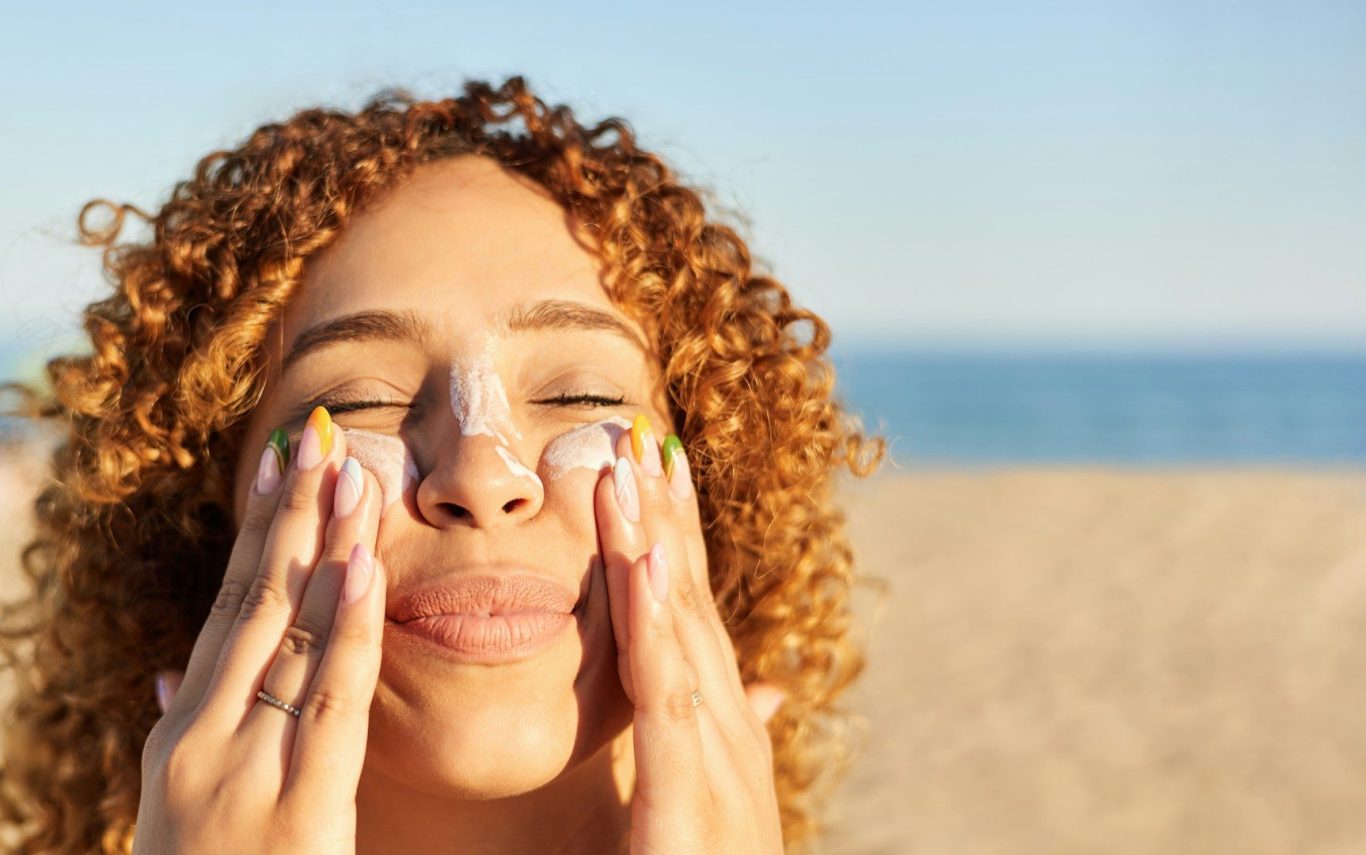
The sun is not our enemy. Its rays which are ancient and inevitable do not poison us. Damage arises not from light, but from our own fragility: a body unaccustomed, stripped of appropriate antioxidants, repair pathways, and crucial cellular hydration. Sunburn, wrinkles, aging spots these demonstrate deficiency, not the sun's malice. This summer do not cover yourself in toxic potions. Restore the health resilience that belongs to you.
Sunscreen is not a viable solution all the time. A fleeting, flawed barrier often laced with compounds that seep into blood, disrupt hormones, provoke irritation, and disrupt marine life. Reserve it for extremes like snorkeling under unrelenting glare, with an ocean friendly product. Be mindful of UV fabric clothes, they are certainly better than exposing yourself to the elements, but often they are treated with chemicals or made of plastics, which then also have toxic ramifications. Otherwise, I suggest an elegant solution: shade between 10 am and 4 pm, wide brimmed hats, breathable natural fabrics that cover your skin. Quiet, chemical free triumphs outside because true armor begins within.
Astaxanthin is a red carotenoid from microalgae. It's responsible for giving sea life a pink or crimson color and stands unrivaled as " cellular sunscreen" offering protection from the UV spectrum. Studies show it calms inflammation , preserves collagen, decreases UV induced erythema,, outperforming vitamin C in anti-oxidant power for tissue repair. About 4-12 mg daily during the spring and summer seasons can help build endurance for the slin and immune systems.
(https:pubmed.ncbi.nlm.gov/.29941810/)
Complement it wisely with other great foods. Omega 3's from fish or fish oil will reduce selling and promote repair. Lycopene from tomatoes transforms harmful UV rays. Polyphenols in green tea and berries will deliver your cellular resilience. Reserveratol found in grapes or cacoa guards and slows degeneration of our DNA. These are cellular sustenance, not supplements that are rebuilding what the sun can erode.
And never overlook the quietest ally: water. Not just any water but clean, structured, and absorbable water. Tap water, bottled, and filered water are problematic and too often rushed through the body, barely absorbing into cells, and if they do, they bring microplastic deposits with them. Seek pristine sources: spring water, reverse osmosis with minerals restored, or hydrogen enriched ( check out Kangen Water, or hydrogen tablets).
In the sun, hydrated tissue responds like a well tuned instrument: less burn, less damage and faster recovery. Dehydration is the silent sabotage becasue dry cells crack, oxidize and inflame. Hydration isn't optional; its fortification.
So let the sunlight fall. Meet it not with fear, but with fortified flesh utilize shade above the skin, strenght below, water woven through every layer to produce skin that endures.

Understanding Attachment: Why It Shapes More Than Just Your Love Life
Attachment styles are the quiet architects of how we connect with the people around us. There are four main blueprints that are shaped early on, whispering into our decisions and we don't even notice.
Let's talk secure attachment; it's your gold standard archetype for upbringing, raised with consistent care, you handle intimacy without panic, lean on friends when needed, and still chase solo adventures. Folks like this nail job interviews, say yes to projects that excite them, and easily form, bonds that last.
Anxious attachment flips the script because you're wired for closeness but terrified it may vanish. Maybe a parent was hot/ cold; now you over communicate with lovers, people please at work, and pick friends who keep you guessing.
Avoidant attachment gravitates towards independence due to early neglect that taught tour that emotions bite, so you shut down, ghost commitments, choose gigs with minimal team activities or dependencies.
Disorganized attachment can lead to pure turmoil in adulthood if proper coping mechanisms are not identified. Generally, an upbringing involving abuse or chaos has left you craving touch yet dodging connection, landing in volatile friendships or jobs that swing from thrill to dread, routinely. Now these styles matter beyond romance because they filter everything. Secure attachers spot real opportunities, not just safety nets. Anxious attachers chase validation and usually end up exhausted. Avoidants miss real depth, staying lonely. Disorganized attachers can be caught in endless restarts.
With modern traps like birth control distorting women's hormones, per Evolutionary Psychology studies, it negatively impacts women's pheromones. This results in pulling them toward mismatched partners with less spark long term. Men aren't spared either as porn drains testosterone, video games hijack dopamine, and chronic stress spikes cortisol they all blur the radar while gamifying the act of turning ' forever' into next level up.
But here's the game changer: regulating your body systems. Your amygdala and vagus nerve are part of the nervous system, and both run on attachment loops. They can both be calmed with somatic exercises like deep breaths, cold showers, and walks. And don't sleep on the myofascial web as those tight bands of tissue store every old fear your body learned. Myofascial release untangles that grid, quiets phantom pains, and lets nervous system signals flow clean. Chiropractic aligns the spine and joints, frees interference, and resets posture that's literally hunched from stress. Both are regulatory beasts: nervous system handles flight or flight myofascial guards against it. Align them right, and boom mixed signals arrive with clarity.
Doesn't matter if you're secure or spinning; when you get sharper reads you pick teams that elevate, lovers who stay, and jobs that fit. Multiple birds, one stone, all because your body is finally speaking truth and you are regulated enough to listen.
Unveiling Chronic Fatigue: A Science Informed Path Through Healing
January Blog
Chronic fatigue is no mere slogan for exhaustion; it's a state where mitochondria the cells quiet power plants stall under silent assault. Inflammation lingers, fascia tightens like weather worn rope, and the nervous system hums in perpetual alert. What follows isn't quick fix advice, but a blueprint drawn from physiology itself, align the spine, awaken the muscles, release the knots, and flood every tissue with nutrients meant for repair.
Chiropractic Care: Resetting the Central Switchboard
A misaligned spine doesn't hurt every hour, yet it compresses nerves that govern energy flow. Regular adjustments restore segmental motion; cerebrospinal fluid circulates better, vagus tone deepens, and that wired yet drained paradox softens. Studies show symptom levels drop sharply sometimes by half when spinal integrity returns proving the skeleton isn't decoration but a command center.
Movement Without Overdraft
Strength training done right rebuilds mitochondrial density. Pick dumbbells light enough to complete twenty reps without tremor bridge, side plank, glute march three sets twice weekly. Form matters more than force; each controlled rep teaches muscle fibers to fire cleanly and to rest fully. Yoga threads breath to fascia. In downward dog or warrior one, lengthen the exhale, carbon dioxide release quiets sympathetic noise.
Myofascial release finishes the circuit. Roll the IT band the T- spine, the gastrics two minutes each, daily. The rolling shear breaks cross links in collagen; blood rushes in, cytokines leave. Think of it as laundering the extracellular matrix so nutrients dominate, not waste.
Nutrition: Feed the Tissue, Not the Symptom
Healing fatigues when collagen lacks glycine, when nerves starve for B12, when mitochondria miss magnesium. Build meals around three pillars: one cup dark leafy greens for folate and chlorophyll; four ounces wild fish for omega three fats that douse inflammation; a thumb sized piece of turmeric simmered in coconut oil curcumin escorts antioxidants straight to cellular gates.
Add a fermented side sauerkraut or apple cider vinegar to reseed gut flora; leaky linings leak fatigue too. Hydrate between meals with room temperature water and a pinch of sea salt; electrolytes keep sodium potassium pumps humming, turning every gulp into cellular currency. Pull it together : adjust, move, release, eat. In six weeks, mitochondria brighten, fascia loosens, breath deepens, fatigue doesn't vanish overnight yet it fades like dawn through fog, leaving a body that finally trusts itself again.

December Blog
Treat Yourself Like You Love Yourself
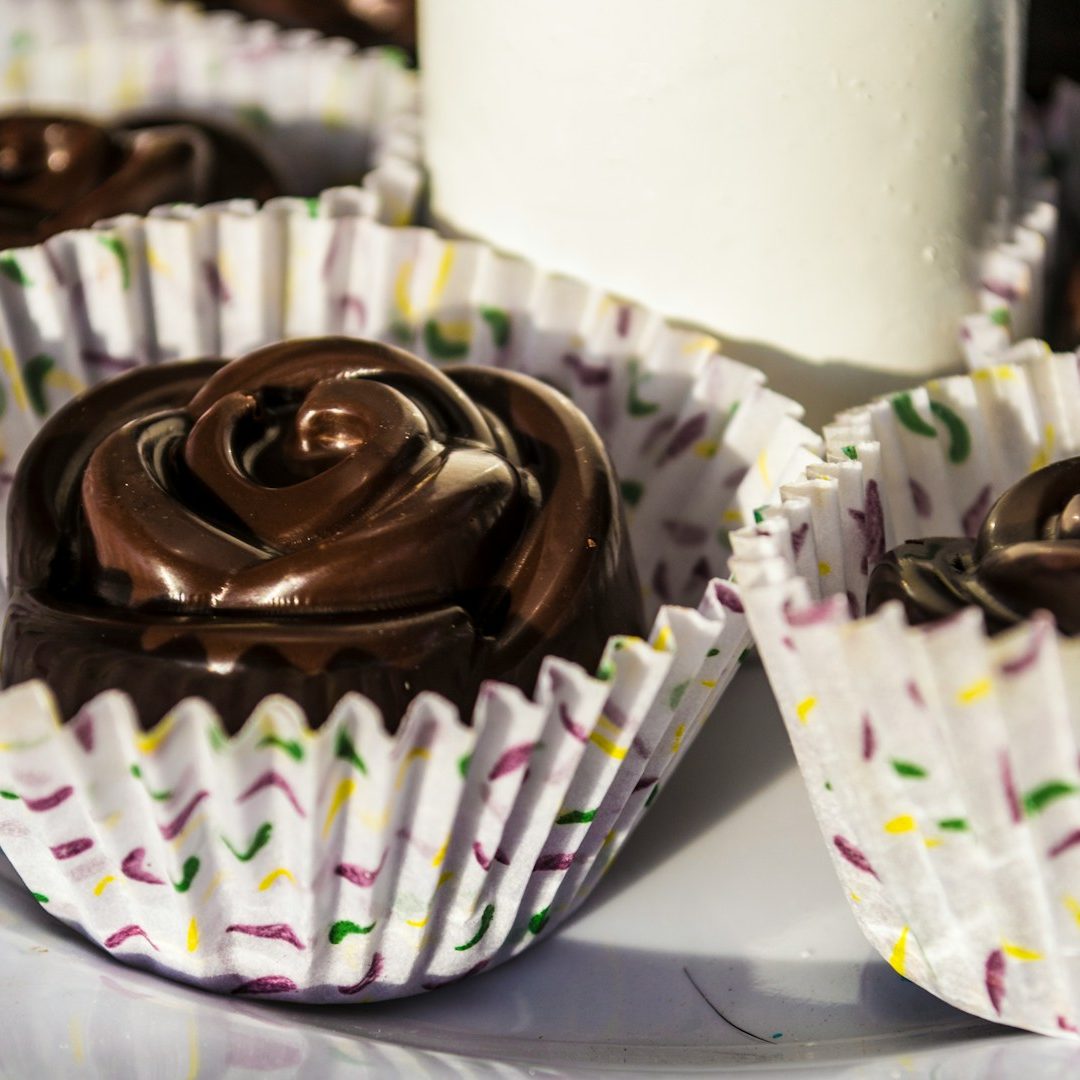
Ever notice how the calendar flips from October to February feels like one long candy aisle? It starts with Halloween when piles of mini Snickers and gummy worms are haunting your doorstep. You think just one can't hurt but the bowl is empty by noon. Then Thanksgiving rolls around and suddenly Aunt Karen's pecan pie is mandatory. You eat multiple slices, blaming the turkey for making you so full you need dessert to balance it out. Christmas cranks it up with gingerbread houses, sugar cookies and eggnog that's basically liquid dessert. New Year's Eve? Champagne and sparkly cupcakes then by Valentines Day, you're drowning in heart shaped chocolates telling yourself " I deserve this."
And just like that sugars running the show. So, what's the problem with this unadulterated stimulant to the nervous system? This sugar marathon isn't just overfilling your jeans; its tanking your immune system while taxing your metabolic balance. You're not just sneezing because its cold outside your body is fighting a war against inflammation from all that processed sugar.
Consuming processed sugar routinely can spike your blood glucose, disrupt your gut microbiome and weaken your immune defenses, making you a prime target for every virus floating around. Add winters short days with less vitamin D activation and eating comfort food on repeat, and you've got a recipe for sluggishness and sniffles.
So, what is THE FIX? Don't go full monk but instead just swap one sugary habit for something better. Trade holiday candy for dark chocolate with nuts or bake desserts with fruit instead of syrup glaze. A cheese plate is an exciting dessert option and very classy!
It is so important to move your body in order to reduce inflammation. It only takes ten minutes of yoga or a brisk walk to burn off stress and sugar cravings by regulating blood glucose control. And hydrate like its your job; water flushes out toxins and keeps your system humming. The holidays don't have to be a sugar spiral. You can still enjoy the season, just don't let it eat you alive!

Unmasking Glysophate: America is Being Poisoned
If your breakfast cereal's giving you a weird gut feeling, or perhaps you're battling unknown headaches and migraines, or your joints ache out of nowhere-- lets chat glyphosate, that famous weed killer hiding in our food.
I dove into peer- reviewed studies to spill the tea where is glyphosate lurking, how its wrecking your health, and simple ways to avoid and detox.
Glyphosate in the Food System
It's in non-organic and processed stuff way more than you think. Studies show up to 99% of grains, cereals, and snacks like hummus have glyphosate residues from spraying crops before harvest. A 2024 report found it in 45% of conventional veggies like spinach and lentils, but how about organics? Barely any, with 70%-90% less exposure.
Ultra processed foods like chips, breads, and prepared meals are hotspots too, with30-50% testing positive for glyphosate. Cooking from scratch, swapping to organic, especially for oats and wheat, and skipping the packaged junk cuts it big time.
Is Glyphosate the Reason America is so Sick?
Glyphosate is no joke, and it messes with your entire body. Research links it to leaky gut by killing good bacteria and letting toxins leak through, sparking inflammation and food sensitivities. But here is the kicker: it hits your connective tissues harder. Glyphosate tricks your body by looking like glycine, the amino acid collagen loves and it's what keeps fascia supple and strong.
A 2016 review nailed how it blocks glycine production via the shikimate pathway, leaving tissues brittle an inflamed. That oxidative punch weakens myofascial webs, causing joint stiffness, muscle pain, and slow healing think fibromyalgia vibes or even mimicking disorders like Ehlers-Danlos.
A 2019 study found it in 80% of urine from normal diets, linking directly to symptoms. Are there correlating spikes in other soft tissues? Yep, data shows 25-40% more auto immune connective disorders since glyphosate hit the food system, like ankylosing spondylitis or DISH, a set of disorders that result in hardened ligaments. It starves bones of calcium and magnesium too, fueling osteoporosis or hyper growth disorders. Other documented issues? Cancer risk, hormone crashes, fertility dips, and anxiety.
How Do I Protect Myself and Detox
Go Organic on the Dirty Dozen: think wheat, vegetables, and berries. Wash veggies with baking soda which cuts residues 20-30%. Most importantly, shop farmers markets for local, low spray produce. Check for Glyphosate Free labels.
One study showed that switching to organic for six days dropped urine levels70%. the good news is our body flushes it naturally after a few months but drinking clean water boosts elimination. Eat fiber packed organics to bind with glyphosate and excrete 20% more or adding probiotics which degrade glyphosates intestinal impact by 40%. Activated charcoal or clay binds it too. Glutathione boosters like NAC speed liver cleanup crew. Even short fasts cut levels 30%.
You're not powerless! Pick organic, cook real food, and detox smart. Less glyphosate means happier gut, stronger joints, fewer mystery issues. Whats your first swap???



Why Cotton and Wool Need to Be Invited to your next Workout
October Blog
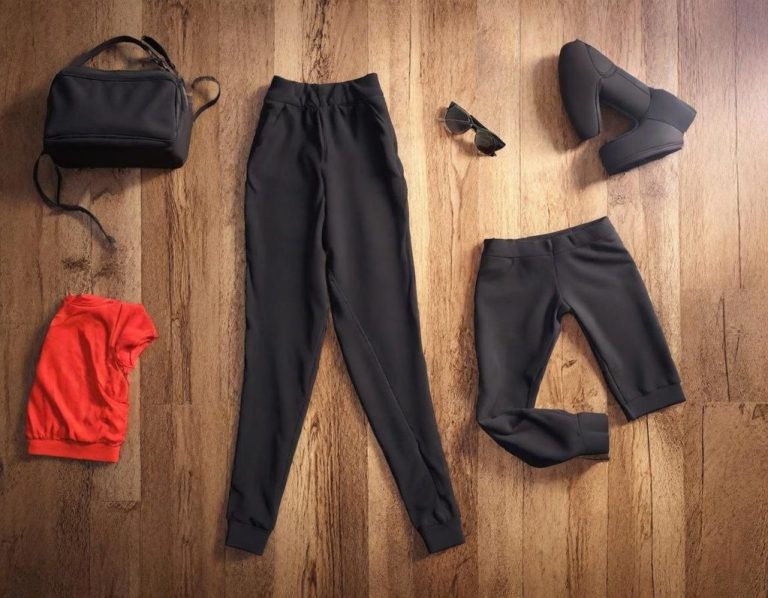
Synthetic workout gear like polyester, nylon, and their moisture-wicking pals are just plastic in disguise. Those PFAS coatings for sweat-wicking actually trap heat, breed bacteria, and cause odors while shedding thousands of microplastics per wash, polluting waterways and our food chain. They can also leach toxins, potentially disrupting your hormones or raising long-term health risks like cancer.
Cotton and wool are the real deal. Cotton is breathable, soft and absorbs sweat naturally, keeping you cook without rashes or toxic chemicals. Wook like lightweight merino , isn't just bulky winter gear--- brands like Icebreaker make tees and socks that regulate temperature, fight bacteria, and wick moisture better than cotton in humid workouts.
Both cotton and wool break down harmlessly, unlike plastic. It is important to watch out for imposter fivers like Bamboo and modal which sound natural, but most are processed into rayon with harsh chemicals, making them plastic like viscose. They shed microplastics and lack true breathability. Stick to 100% cotton or merino wool on labels.
Switching is easy and you can start with underwear and undershirts, as the most affordable way to go. Cotton basics from Pact or Quince run under twenty bucks and last for years. Amazon's Basics line has 100% cotton shirts, pants, shorts, tank tops and everything for everyday or for workouts, often ten to fifteen dollars a pop.
Wool options like Bombas or Smartwool cost around thirty but hold up forever. Online access keeps it simple. Swap one plastic pair this week-less seat, no odor, happier skin. Who's ready to upgrade their lifestyle with natural fibers?
Maybe You've Outgrown Alcohol
September Blog
Picture yourself at 19, sneaking a beer at a college party, feeling like you're on top of the world. The music's loud, the vibes are high, and that drink in your hand feels like freedom. Fast forward, and youre pushing 40, stillgrabbing that weekend wine or cocktail like its just part of who your are. But lately, you've been waking up with pounding headaches, achy joints, chapped lips, and that weird, sour smell when you sweat after a night out. Sound familiar?
Perhaps you've been there, brushing off those aches as getting older, but let's pause and zoom out. Those aren't random annoyances. They're your bodys SOS from alcohols daily grind.
Here's the deal: when you were young, alcohol seemed harmless, but the impacts can be cumulative. Every sip stirs up inflammation, messing with your gut and sending toxins through your system like uninvited guests. That sets you up for serious challenges like heart issues, diabetes, joints that creak louder than your morning coffee maker. You're out here eating clean, hitting the gym, trying to live your best life, but those drinks? They're quietly sabotaging you.
And then there's the addiction trap. Alcohols sneaky and it slides from a fun night to a need you didn't see coming, rewiring your brain so you crave it. Ome in ten adults in the U. S. is caught in alcohol use disorder, that's millions of people, and that's not just a statistic it's a wakeup call.
You wouldn't shrug off doing heroin every weekend, so why do we act like knocking back cocktails is just another Saturday? We've been sold a lie, and it's time to question it.
The wild part? American society's been pouring us this drink your way to happiness story forever. Movies make it glamourous, ads make it sexy, and those fitness influencers. They're the worst, flexing their abs while sipping keto cocktails or low-cal spritzers, acting like it's a protein shake.
Alcohols trashing your sleep, stressing your liver, and slowing you down, no matter how clean a claim is. The truth is, those drinks and even the mocktail wannabes, are like clinging to an old chapter thats holding you back. So here's the ending you deserve: imagine swapping that wine glass for a tall, crisp glass of water. Sounds basic, but hear me out as waters the real MVP. It hydrates you, clears your head, and lets your body heal without the baggage of booze or fake sugar water, party on!!!
No headaches, no funky sweat, just you feeling alive, with less pain and optimal energy. If you've been subscribed to this drinking lifestyle for years, maybe you're ready for an upgrade. One where your body and mind are thriving, not just getting by.
Is Yoga a Religion? Let's Clear This Up - and Explore the Power of Ashtanga Yoga
July Blog
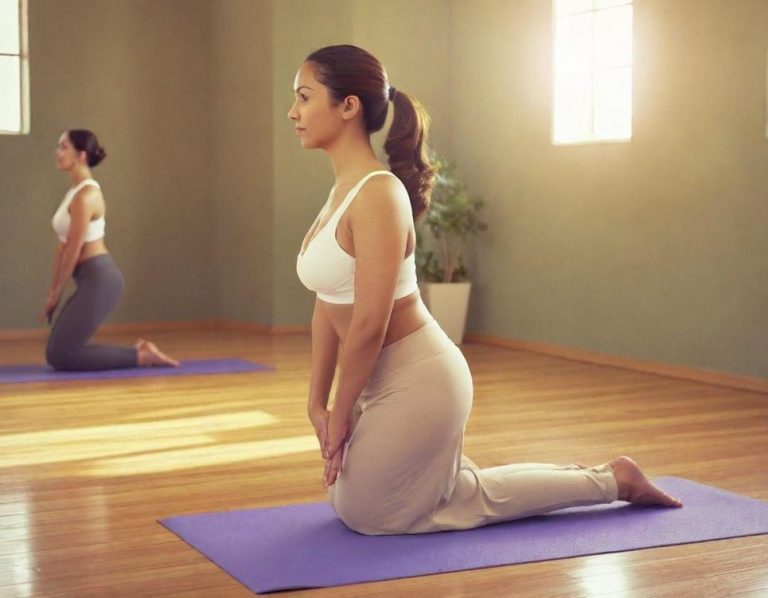
Yoga has exploded into Western culture with a bang -- leggings vinyasa flows, goat yoga, beer yoga (yep it's a thing), and endless reels of people in handstands. But with its rise in popularity, one big question keeps popping up: 'Is yoga a religion?"
The short answer is: No, yoga is not a religion. But like most nuanced things, the long answer is a bit more layered.
Why People Think Yoga Is a Religion
Yoga has roots in ancient Indian philosophy and is deeply connected to traditions that include Hinduism, Buddhism and Jainism. It comes from a spiritual ecosystem, and that often confuses people - especially those unfamiliar with Eastern culture. Here's the truth: Yoga is a practice, not a belief system.
It doesn't require you to worship a deity, follow dogma, or join a religious institution. It's a tool for body, mind, breath, and awareness. Yes, it can be spiritual. But it can also just be physical, or mental or a blend of all three. he confusion usually comes from:
- The use of Sanskrit terms or chanting
- References to ancient scriptures like the Yoga Sutras
- The mediative, inward nature of the practice
- Western discomfort with Eastern philosophy being misunderstood as religion
But if yoga is a religion, then so is running, breathwork, or journaling. Yoga is what you bring to it. Nothing more, nothing less.
So, what is Yoga Really??
At its core yoga means " to yoke" or " to unite" It's about connection of the breath, body and mind. There are many branches of yoga: Hatha, Kundalini, Bhakti, Jnana, Raja, and more. Some are deeply mediative, others more physical. But they all point toward one goal: Self-awareness, discipline, and inner freedom.
Enter Ashtanga Yoga:
Discipline in Motion
Among the most powerful and misunderstood forms of yoga is Ashtanga Yoga , a structured, breath driven practice that fuses movement, mediation, and sweat into a transformative experience.
A Brief History of Ashtanga Yoga
- Ashtanga Yoga was systemized by Sri K. Pattabhi Jois in the 20th century, but its roots trace back to an ancient manuscript called the Yoga Kortunta,
- "Ashtanga" means eight limbs a nod to the eightfold path described in Ptanjali's Yoga Sutras, which include ethical principles, physical postures (asana), breath control (pranayama), and mediation (dhyana)).
- It's not just a workout its a disciplined, inward journey.
What makes Ashtanga Different?
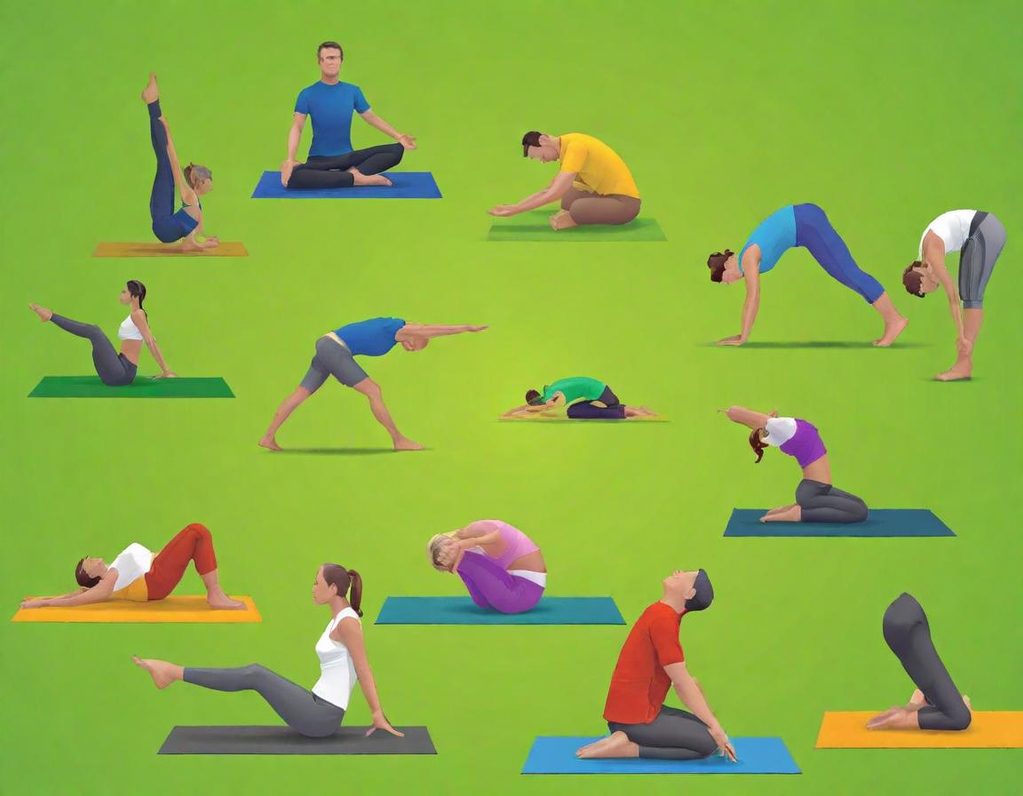
- Structured Series: Ashtanga follows a strict sequence of poses (Primary Series, Intermediate Series, Advanced Series).
- Breath + Movement + One: Every movement is tied to the breath (called vinyasa), creating a moving meditation.
- Daily Practice: Traditionally practiced six days a week, it builds stamina, flexibility, focus, and resilience.
- Self- Practice with Guidance: Often taught in a " Mysore-style" setting where students move at their own pace under a teacher's guidance.
It's not trendy. It's not easy. But it works. Ashtanga strips away the fluff words. Just breath, body, and a mirror to your own resistance.
Yoga Isn't Religious but It Can Be Sacred
Here's the important distinction: spirituality isn't religion. Yoga can feel sacred. It can awaken deep internal shifts. It can open emotional or energetic doors you didn't know existed. But it doesn't ask you to believe in anything outside yourself. You can be a Christian, Muslim, atheist, or agnostic and still practice yoga. The only thing yoga asks of you is presence and consistency.
Final Thoughts: Yoga Is a Tool. Ashtanga Is the Fire. Yoga isn't about converting your beliefs it's about connecting to your truth. And Ashtanga? It's the real deal for people who want discipline, depth, and transformation not just a workout. So, the next time someone tells you yoga is a religion, you can say: "No it's a practice. A powerful one. And it just might change your life."
Want to Try Ashtanga or Learn More About the Eight Limbs? text: "YOGA" to 636-344-6698 for a free Ashtanga Primary Series book!
Dr. Jenn Rauscher
Doctor of Chiropractic, Certified Yoga Instructor
500RYT, Myofascial Specialist
St. Peters ,MO



June Blog
Energize Naturally: Six Steps to Hormone Harmony
Our hormones are under siege. Estrogen and testosterone, vital for energy, mood and health, take a hit from daily stress - think Wi-Fi exposure, financial pressures, and inflation anxiety. Add in environmental toxins like pesticides and processed foods packed with chemicals, and it's no wonder our hormones get out of whack. Women may feel menopause symptoms like hot flashes, while men face fatigue or weight gain from excess estrogen. Before jumping to hormone replacement therapy, which can work wonders for some, try these six natural steps to balance estrogen and boost testosterone for everyone.
For estrogen balance start with food. Women add ground flaxseeds to smoothies or eat chickpeas and lentils; these phytoestrogens gently boost estrogen. Men eat cruciferous veggies like broccoli, cauliflower, or kale. which help clear excess estrogen form your body.
Second, get into strength training. Lifting weights or doing bodyweight exercises like push-ups helps women increase estrogen and men reduce excess by boosting testosterone, which keeps estrogen in check.
Third, prioritize sleep. Seven to eight hours of rest keep all hormones in line, helping women maintain estrogen and men prevent buildup.
Testosterone is essential for energy in everyone.
First, eat healthy fats. Avocados, almonds, and olive oil fuel testosterone production.
Second, try high intensity interval training , or HIIT. Short bursts of exercise, like sprinting or jumping rope, can naturally raise testosterone over time.
Third manage stress. Chronic stress spikes cortisol, which lowers testosterone, so try deep breathing or a quick walk outside to stay grounded.
Take charge of your vitality today? Embrace these six steps to restore hormone harmony, reclaim your energy, an thrive against life's stressors, start now, follow @root.cause.doc on Instagram for weekly ways to thrive and consult your healthcare provider to unlock your body's full potential!
Dr. Jenn Rauscher
Doctor of Chiropractic,
Certified Yoga Instructor
500RYT, Myofascial Specialist
St. Peters, MO



" Blue Light, Big Problems: How Screen Time Impacts Minds, Moods, and Motivation
Dr. Jenn Rauscher
In todays digital age, screen time has become an integral part of daily life. However, emerging research highlight's significant concerns regarding its effects on both children and adults. This blog delves into the developmental delays observed in children due to excessive screen time, the productivity challenges faced by adults, and the gender specific stress responses associated with screen use.
Developmental Delays in Children
Excessive screen time in young children has been linked to various developmental delays. A study published in JAMA Pediatrics found that children aged 1 who spent more than four hours daily on screens exhibited significant delays in communication, problem solving and fine motor skills by ages 2 and 4. Similarly, research from Canada indicated that children exceeding one hour of screen time daily were more likely to experience vulnerabilities in physical, social, emotional and cognitive development.
The mechanisms behind these delays include reduced face to face interactions, which are crucial for language acquisition and social skills. Moreover, the passive nature of screen use limits opportunities for active play and exploration, essential components of early childhood development.
Screen Time and Adult Productivity
Adults are not immune to the adverse effects of excessive screen time. Prolonged exposure to screens particularly for work related tasks, has been shown to decrease productivity. this decline is driven by several factors. Continuous screen use can cause cognitive fatigue leading to mental exhaustion that impairs focus and decision making. Additionally, the blue light emitted from screens disrupts melatonin production, interfering with sleep and resulting in persistent fatigue. Constant connectivity and digital demands can also lead to information overload, significantly increasing stress levels. Together, these effects undermine efficiency, making it harder for adults to perform at their best in both professional and personal settings.
Gender Differences in Screen Stress Responses
Emerging Studies suggest that men and women may experience screen induced stress differently. Research indicates that women are more likely to report symptoms of anxiety and depression related to excessive screen use, possibly due to multitasking demands and social media pressures. In contrast, men may experience more physical symptoms, such as eye strain and headaches, associated with prolonged screen exposure. Understanding these gender specific responses is crucial for developing targeted strategies to mitigate the negative effects of screen time.
Scientific Insights
Scientific research offers compelling insights into the broad impacts of screen time across age groups. A study from Japan revealed a dose response relationship between screen time and developmental delays in children, particularly in areas such as communication and problem-solving skills. For adults, excessive screen use has been linked to a noticeable decline in productivity, largely due to cognitive fatigue and disrupted sleep patterns. Additionally, studies have identified gender specific stress responses to screen exposure: women are more likely to report heightened anxiety and depression, whereas men experience more physical symptoms, such as headaches and eye strain. These findings underscore the needs and vulnerabilities.
Strategies for Mitigation
In a world where screens are everywhere, the real power lies in how we choose to use them. Left unchecked screen time can quietly, erode chidren's development, drain adult productivity, and fuel stress across the board. But with intention and balance, we can reclaim our time, our focus ,a nd our well being. For kids, that means limiting screen exposure to recommended guidelines, encouraging outdoor play, and nurturing real world social interaction. For adults its about setting screen free zones, taking regular breaks like the 20-20-20 rule and practicing mindfulness to reset and recharge And for everyone its being aware of how screens affect our minds and bodies and getting help when the signs of overload start to show. It's not about unplugging entirely, it's about plugging back into what matters most, real connection, quality rest, more intentional digital life.
References:
- Takahashi, I., et al (2023). " Screen Time at age 1 year and Communication and Problem Solving Developmental Delay at 2 and 4 Years. " JAMA Pediatrics. Link
- BMC Public Health. (2022) " Screen Time and Developmental health: results from an early childhood study in Canada." Link
- Oei, T.P.S., & Patterson , D. R. (2022). Screen time and developmental health results from an early childhood study in BMC Public Health.
- Twenge,J.M.,& Campbell, W.K. (2018). Associations Between Screen Time and Lower Psychological Well Being Among Children and Adolescents: Evidence from a Population Based Study. Preventive Medicine Reports
- Christakis, D.A. (2009) The Effects of Infant Media Usage: What do we Know and what should we learn? Acta Paediatrica.
- Small, G., et al. (2020) Screen time is associated with structural differences in brain regions in prekindergarten children. JAMA Pediatrics.
- Mark,G., Wang, Y.,&Niiya, M. (2014). Stress and multitasking in everyday college life: An empirical study of online activity. CHI Conference Proceedings.
- Cain,N., & Gradisar, M (2010). Electronic media use and sleep in school aged children and adolescents: A review. Sleep Medicine.
- Przybylski, A. K., & Weinstein, N. (2017). A large-scale test of the Goldilocks Hypothesis: Quantifying the relations between digital screen use and the mental wellbeing of adolescents. Psychological Science.
- Rosen, L. D., et al. (2014). Media and Technology Use Predicts III-Being Among Children, preteens and Teenagers Independent of the Negative Health Impacts of Exercise and Eating Habits. Computers in Human Behavior.
Blue Light, Big Problems:
How Screen Time Impacts Minds, Moods & Motivation
Blue Light Blues the hidden impact on your mind and mood!



Follow Dr. Jenn Rauscher on Instagram @root.cause.doc
Chiropractic & Yogi featuring myofascial release using anatomy to change physiology
Why Looking Good Doesnt Mean You're Actually Healthy - and How To Fix it From the Inside Out...
We have a Problem
We Live in a culture obsessed with looking fit. Six packs , glutes, pump selfies, macros, and aesthetics dominate our screens.
But behind the filtered highlight reels is a growing group of people who look healthy but are secretly running on fumes. Poor sleep, brittle hair, hormone issues, injuries, anxiety, and constant fatigue, masked by muscle and performance. Welcome to the world of the unhealthy fit.
Are you Actually Healthy or Just Lean?
Here are some red flags that your body might be screaming for help, even if you look fine:
- You eat like crap but you think training makes up for it
- Irregular or missing periods ( hello hormone chaos )
- Poor sleep, constant fatugue, wired but tired.
- Mood swings, low motivation, or brain fog
- Hair thinning, breakouts, brittle nails
- Chronic spine pain, joint stiffness, poor posture
- Caffeine cravings, sugar dependence, no energy on rest days.
If this sounds like you, the issue goes deeper than your training or macros. At the center of this crash and burn cycle?
Your Dopamine System is Cooked...
Dopamine: The Real Health Indicator
Dopamine is your brains motivarion, reward and focus chemical. It gives you drive, The problem? You are over stimulated. Pre-workouts, Energy Drinks, Social media, Hustlem Constant training. All of it floods your system with quick hits of dopamine until your brain says, " I'm done." Thats when you start to feel numb, restless, moody or unmotivated even for things you used to love.
What fried dopamine looks like:
- Can't get through the day without caffeine
- You feel nothing without intensity
- You're bored without stimulation
- You crash on rest days
- Everything starts to feel" meh".


Three Steps to Become Actually Healthy & Dopamine Regulated...
Here's how to rebuild your health from the Inside out & start thriving again
- Audit your Inputs ( Nutrition, Sleep, Dopamine Triggers) Stop outsourcing energy to caffeine and chaos. Star supporting your body with: *Whole Foods with protein, fat and fiber * 7 to 9 hours of deep, consistent sleep *Less scrolling, more sunlight and fresh air * Breathwork, nature, and boredom ( yes boredom is healing)
Your Nervous System Needs to Calm to Rebuild...
2. Train to Restore, Not Just Perform
High-intensity workouts are a tool not a lifestyle. You can't train 6 days a week, ignore recovery, and expect balance. Mix in:
- Mobility Work
- Recovery days
- Walking
- Low intensity cardio
- Lifting for strength not punishment
- Train for resilience not exhaustion.
- 3. Rewire Your Reward System Replace fast dopamine with long term satisfaction:
- Journal energy/ mood instead of just macros
- Celebrate sleep, calm and clarity
- Get wins from the process not the aesthetics
- Make time for hobbies, stillness and learning Looking Good Shouldn't Cost You Your Health We need to normalize a new kind of fit:
Where your cycle is regular
Your sleep is deep
Your spine feels supported
Your mood is stable
And your body runs with you not against you
When your dopamine is balanced, your hormones are thriving and your nervous system feels safe, you don't just look fit you are fit. For real. For life.
Ready to Upgrade from Fake Fit to Fully Functional?
Let's talk.
Whether you're burned out, stuck in the overtraining loop or just want to optimize your energy and nervous system, I'm here to help find me www.drjennrauscher.com


Ceremonial Cacao: A Heart Opening Alternative to Coffee
In our busy lives coffee often feels like a necessity for energy. But what if the stimulant we depend on --- caffeine-- is actually disrupting our well being? Coffee's quick evnergy boost can come at a cost , leading to anxiety, nervous system dysregulation,and even heart problems. Fortunately, ceremonial cacao offers a delicious, heart opening and balanced alternative that nourishes both body and mind.
Caffeine's Toll on Your Nervous System
Caffeine works by stimulating the central nervous system, releasing adrenaline and blocking relaxation signals in the brain. This leads to the familiar surge of enegy, often accompaniedby nervousness, irritability, and jittereiness. Over time, this constant state of stimulation can dysregulate the nervous system, triggering anxiety and emotional instability, whilealso increasing the risk f hear palpitatons and high blood pressure.
Coffee's energy boost is followed by an inevitable crash, leaving us reaching for another cup, perpetuating the cycle of stress and dependency.
Theobromine: A Gentler Boost for the Body and Mind
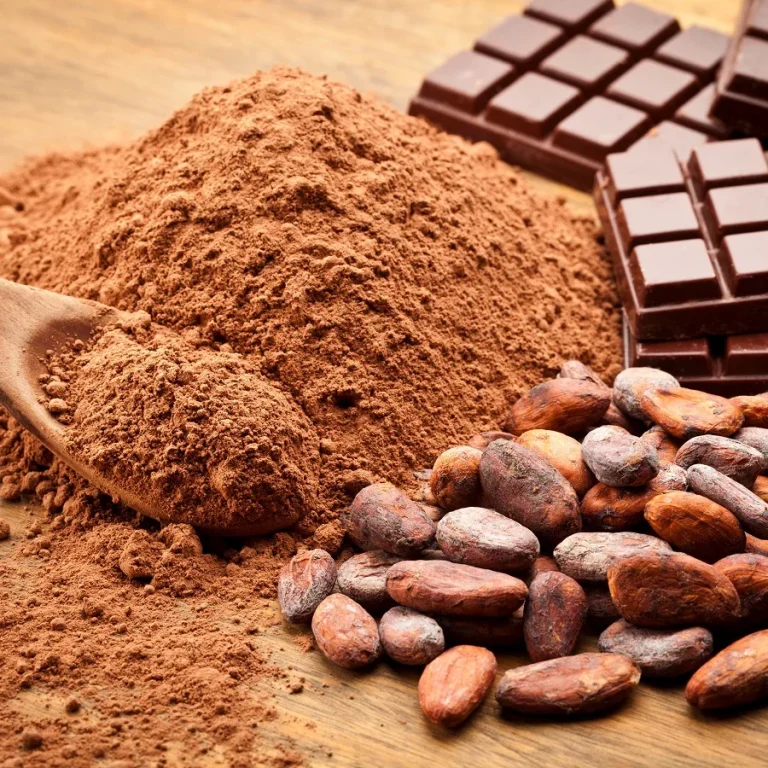
The primary stimulant in cacao is theobromine, which offers a slower more sustained energy boost compared to the rapid spie and subsequent crash associated with caffeine. While caffeine stimulates the central nervous ststen , theobromine works on the cardivascular ststem , imporving blood flow and promoting a s calm , focued state. Theobromine improves blood circulation, supports heart health, and promotes a calm, sustained energy without the anxiety or crashes that come from caffeine. Research suggests that theobromine has a milder effect providing long lasting enegy and mental clarity while promoting relaxation and focus. This makes cacao a perfect choice for mediation, creativity, or simply enjoying a steady flow of energy throughout the day.
Cleaner, Purist Energy: Ethical and Sustainable
Unlike coffee, which is often heavily processed and exposed to pesticides, ceremonial cacao is typically organically grown by small scale farmers focused on sustainable, ethical practices. This means you're not only choosing a healthier option for your body but also supporting communities and farms that priortize fair trade and environmental stewardship. Studies show that small scale cacao farming can contribute positively to rural economies and provide farmers with fair compensation ( Losch et al 2018 ). Now wile some cacao powders at the grocery store may claim these amzing benefits lets be real how can a highly processed version of anything bbe better than pure unfiltered raw ingredients? It simply cannot so be sure to buy from reputable sources and look for "ceremonial cacao."

Dr. Jennifer Rauscher Health News
Dr. Jennifer Rauscher Health News
A Ritual of Mindfulness and Heart Opening Benefits
Drinking ceremonial cacao is more than just a beverage its a ritual. It invites you to slow down, reflect and set intentions. The cacao experience promotes mindfulness, grounding and emotional connection. Rich in antioxidants and magnesiou, cacao helps support overall well being fostering a sense of calm and balance ( Gallo et al 2013) . People often use meditation or yoga, as it opens the heart and deepens emotional connection.
A More Delicious Alternative
When it comes to flavor , ceremonial cacao offers a rich, indulgent, and smooth taste that blows many coffee substitutes out of the water. Unlike the earthy bitterness of mushroom coffee or the savory tones of bone broth, cacao is naturally sweet, creamy and chocolatey -- making it a far more enjoyable option for those seeking an alternative to their daily cup of joe. Plus, cacao is packed with essential mineals and vitamins, including magnesium, iron, and zinc whic are critical for energy and wellness. In contrast coffee can deplete these very nutrients over time leading to fatigue and mineral imbalances.
Mushroom Coffee vs Cacao
Breaking Free From Caffeine Dependency
If you are looking for a more balanced, intentional energy source, ceremonial cacao is the perfect alternative. Unlike coffee, which often leaves you in a state of nervous system chaos, cacao supports steady, grounded energy without the harmful side effects. By embracing ceremonial cacao, you're choosing to break free from caffeine dependency and experience nourishment that goes deeper than a simple energy boost.
Make the switch today -- experience the magic f cacao, fuel your body with heart opening energy, and step into a more balanced and mindful routine.
Research Citations:
- Harvard Health Publishing (2020) Caffeine How much is too much? Harvard MEDICAL School
- Hollander, S. A et ai (2009) " Theobromine as a Potential Cardiovascular Health Agent. Journal of Nutritional Biochemistry
- Losch A et ai (2018) " Small Scale Farming and Fair Trade Social and Economic Benefits for Farmers. Food Policy Journal
- Gallo, A et ai (2013) " Magnesium and Antioxidants in Cacao A Beneficial Combination for Mental Health. Journal of Clinical Nutrition.